
Website Essentials for a Private Clinic in Kenya
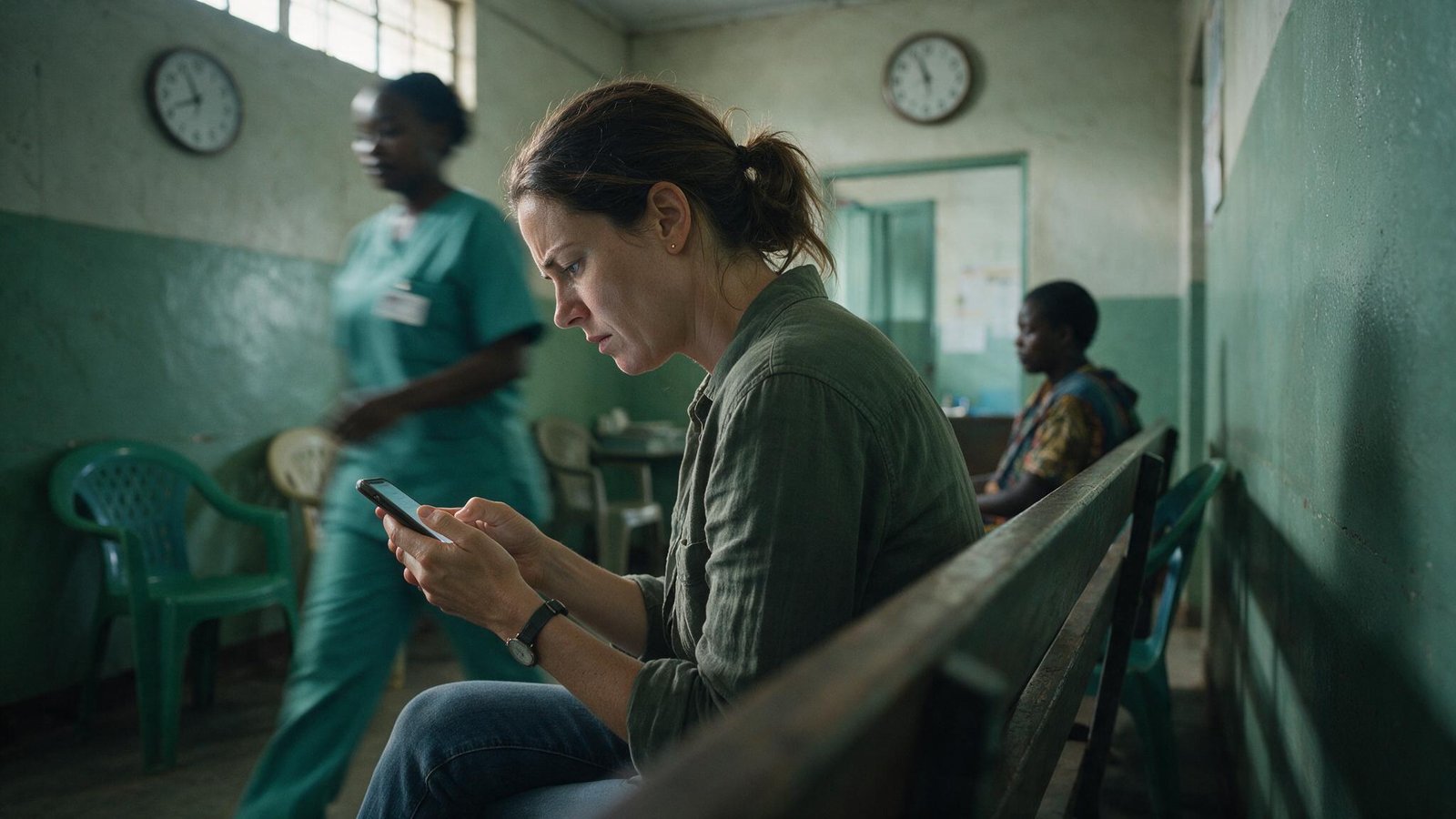
Most people meet a clinic website in Kenya at the worst possible hour.
Somebody is awake at eleven at night with a symptom and a phone. They search it, then they search for somewhere nearby that treats it.
What they find determines where they go in the morning.
A clinic website in Kenya has to serve that moment while operating inside advertising rules considerably tighter than those governing ordinary businesses. Getting the balance right is the whole job.
What the Rules Permit
Any clinic website in Kenya sits under the KMPDC advertising rules, gazetted in 2016, which take a permissive list approach rather than a general standard. They set out specific information a practitioner or health institution may include.
That list covers the identity of the medical or dental practitioner, the identity of the health institution, any specialisation formally issued by the Council, the address, physical location and contact details including email and website, the language of business used, and the hours the facility is open.
Crucially, the Council also retains power to rule on whether any particular advertisement is acceptable. So a clinic website in Kenya should read as information rather than promotion.
These rules date from 2016 and may have been amended. Confirm your current obligations with KMPDC or a qualified advisor before publishing. Our guide to websites for professional practices covers the wider regulatory picture.
What Must Never Appear on a Clinic Website in Kenya
Clinical outcome claims. Guaranteed results, cure rates, or promises no practitioner can honour.
Patient testimonials describing treatment outcomes. These attract particular scrutiny, and health regulators have signalled that digital and social channels are now a focus rather than a grey area.
Before and after images without robust, specific, documented consent, and even then with great care.
Any identifiable patient information, including photographs, names, or details that allow somebody to be recognised.
Comparisons denigrating other practitioners or facilities.
Unregistered claims of specialisation. State only what the Council has formally recorded.
Promotion of medicines or medical devices without checking the Pharmacy and Poisons Board requirements, which run separately.
Nine Things Every Clinic Website in Kenya Needs
1. Services offered, described factually rather than persuasively.
2. Practitioners, named, with qualifications and Council registration.
3. Facility registration details, since health institutions must be registered.
4. Location, with a map and clear directions. Patients arriving unwell need this to work.
5. Opening hours, including weekends and any emergency arrangements.
6. A phone number somebody answers.
7. Consultation fees, or an honest explanation of how charges work.
8. Cover and insurance arrangements you accept, stated in general terms and kept current.
9. Genuinely useful health information, written to educate rather than to attract.
Nine sections carry a complete clinic website in Kenya. Accuracy matters far more than volume.
Patient Data Is the Real Risk
The largest risk on a clinic website in Kenya has nothing to do with advertising.
Under Kenya’s Data Protection Act 2019, health information is sensitive personal data attracting stricter treatment. Health providers also fall within the sectors required to register with the ODPC regardless of size.
Three practical consequences follow.
Your enquiry form is dangerous. A patient describing symptoms into a web form is submitting sensitive health data, which then travels by ordinary email to an ordinary inbox. Keep first contact forms minimal, name and contact details only, with a clear line asking people not to describe symptoms at this stage.
Booking systems handle sensitive data. Ask your provider where data is stored, who can access it, and how long it is retained.
Photographs of your premises can capture patients. Shoot outside consulting hours, or with documented consent from anybody identifiable.
Our full guide to data protection for websites in Kenya covers ODPC registration and the seventy two hour breach notification duty.
Make Verification Easy
Verification belongs on your clinic website in Kenya as a feature. Kenyans are actively encouraged to verify practitioners and facilities, and the Council provides public routes to do it, including an online register and an SMS service.
Treat this as a feature rather than a threat. State your facility registration and your practitioners’ registration clearly, and tell visitors they can verify independently.
A clinic that invites checking reassures a nervous patient far more effectively than one that stays silent about it.
Booking and Access
Most patients want one of three things quickly. Can I be seen today, how much will it cost, and where exactly are you.
Online appointment booking removes the phone queue and works at eleven at night, which is when many people are searching. Our guide to online booking and payments in Kenya covers the setup.
Two cautions specific to healthcare. Collect only what you need at the booking stage rather than a medical history. And never present a booking form in a way that invites somebody to describe an emergency instead of calling.
State clearly what to do in an emergency, prominently, on every relevant page.
Fees
Clinics withhold pricing more than almost any sector, and clinical variation is a genuine reason for it.
However, consultation fees are usually fixed, and publishing them answers the question most patients actually have. State the consultation fee, explain that investigations and procedures vary, and note which cover arrangements you accept.
Silence sends people to whoever answered.
Speed Matters More Here
Somebody reaching a clinic website in Kenya is frequently unwell, anxious, on mobile data, and in a hurry.
A clinic website in Kenya that takes eight seconds to load has failed somebody who needed directions. Compress images, remove unnecessary plugins, and test on a phone using mobile data rather than clinic wifi.
Make the phone number tappable and the map one tap away.
Frequently Asked Questions
Can a clinic website in Kenya publish patient testimonials? Treat these with great caution. Testimonials describing clinical outcomes attract regulatory scrutiny and carry data protection obligations. Take advice first.
Do we need to register with the ODPC? Health services fall within sectors required to register regardless of size. Verify your position with the ODPC.
Can we advertise on social media? The same rules apply to social channels as to your website, and regulators have signalled increased attention there.
Can we list the specialities of our doctors? State specialisations formally recognised by the Council. Avoid informal descriptions that imply recognised status.
Should we publish prices? Publish consultation fees where fixed and explain how other charges vary. Complete silence costs patients.
Who should approve our website copy? A practitioner within the facility, and ideally somebody familiar with the Council’s rules, before launch.
Information, Not Promotion
A clinic website in Kenya earns trust by being accurate, verifiable, fast and clear about where you are and when you open. The rules push you toward exactly that, which is less of a constraint than it first appears.
At Africa Web Experts we build fast, restrained, secure sites for Kenyan health facilities, with minimal forms and copy written to sit inside your obligations. From KES 65,000, live in seventy two hours.